
Arrest Warrants in Rio Arriba County
Behind every Rio Arriba County arrest warrant sits a judge's finding of probable cause. The paperwork must show sworn facts. District Rule 5-208 and magistrate Rule 6-204 govern that showing, and Form 9-209 supplies the affidavit behind it. Form 9-210 then records the warrant's command, the offense, where it may be executed, the judge, the system entry, and the return. One thing trips people up. The court that signed the warrant controls the case, and the sheriff, police, state police, tribal or Pueblo officers, and detention center each hold service or custody roles without sharing the power to recall or change the warrant.
The Sworn Probable-Cause Affidavit
Form 9-209 gathers everything a judge needs to weigh a warrant request in Rio Arriba County: the court caption, the defendant, when and where the offense happened, a description of the offense, the sworn facts, and the basis for any hearsay. The affiant signs under oath. A judge, notary, or authorized officer takes that oath. Keep in mind this is a blank form schema, not a filled-in public roster of anyone's case. The public Case Lookup screen does not include the affidavit behind a warrant, so a reader who needs a copy should file the court IPRA form and select the responsible court. Redaction, a fee, or an exemption may apply. The official court page linked here shows the courthouse building and the court system itself, not any private person's warrant.
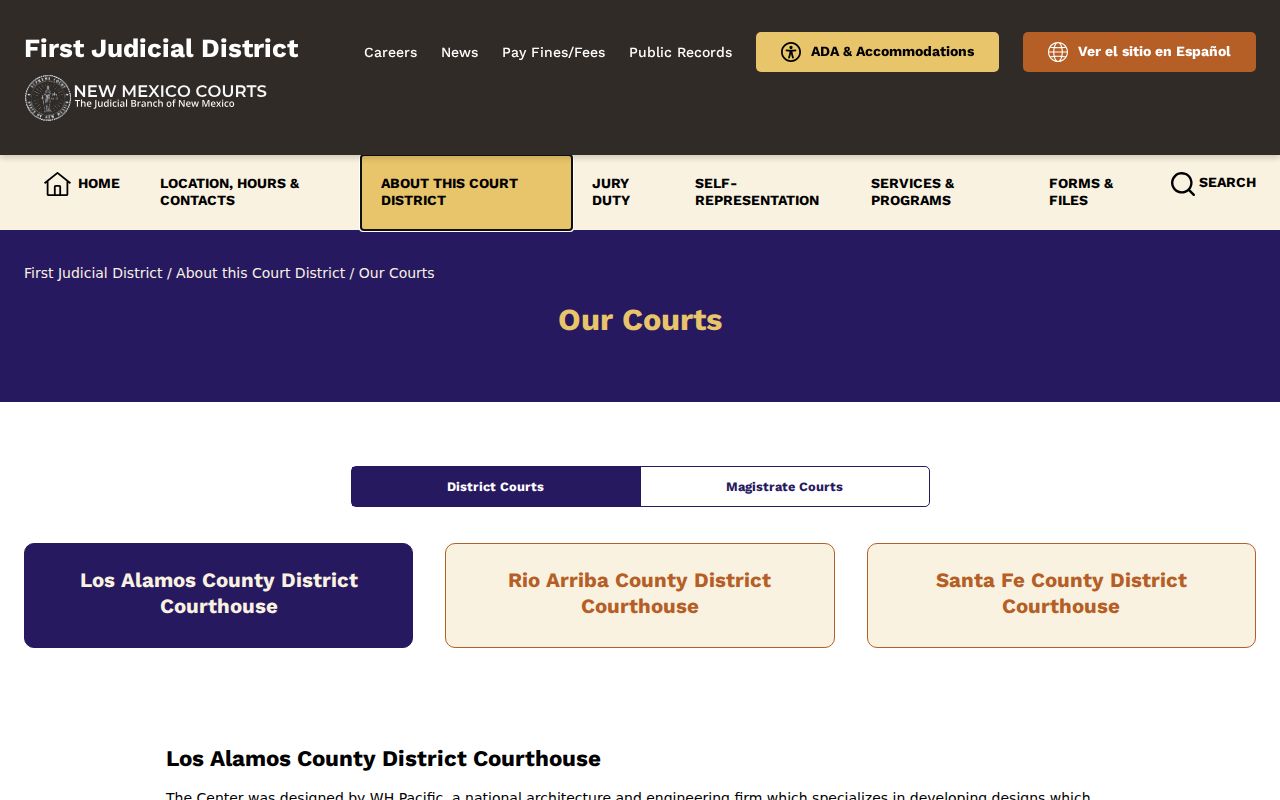
A photo of the building can orient you. Only the Rio Arriba County clerk can confirm the record tied to a case.
What a Rio Arriba County Arrest Warrant Contains
Form 9-210 leans toward the charge itself rather than the bench-warrant triggers. It captures the court and case, the defendant, the probable-cause finding, the common offense, the NMSA section or municipal ordinance, where the warrant may be executed, the judge and date, the information-system entry, and the return fields. A Rio Arriba County arrest warrant follows this structure.
| Case identity | State, county, city, court, case number, and defendant fields. |
|---|---|
| Probable cause | The judge's finding supported by a complaint or sworn affidavit. |
| Offense | Common offense name and NMSA or municipal-ordinance citation. |
| Execution | Geographic jurisdiction and an authorized law-enforcement entry route. |
| Return | Arrest date, service date, removal, and arresting officer signature or title. |
District Form 9-212 adds bench triggers, bond options, physical descriptors, and extradition choices. Those district fields do not appear on every municipal or magistrate warrant in Rio Arriba County.
The 9-210 Arrest-Warrant Fields
The approved 9-210 form gives Rio Arriba County readers a useful vocabulary for what a warrant actually says. It keeps the probable-cause finding separate from the charge. It names the statute or ordinance at issue. It marks the place where execution is allowed and records the judge plus the system of entry. The return block matters most after service. If you have posted bond or appeared, ask the court what return, served, cancellation, or removal event was recorded, since the public display may show only a case event and not the completed form. The court forms sit on the New Mexico criminal forms index. Check there for the current version rather than trusting an unofficial copy.
How Rio Arriba County Arrest Warrants Are Served
Serving a warrant in Rio Arriba County follows a familiar arc: complaint or affidavit, judicial review, warrant or summons, entry into a designated system, execution by an authorized officer, custody or a court appearance, and a return or status update. The county detention center books people from RASO, New Mexico State Police, the Española Police Department, U.S. Marshals, tribal governments, probation and parole, and other local agencies. That roster of agencies tells you something. The claim that the sheriff serves every warrant is far too broad. Which officer serves, and where, depends on the warrant form and the case. For a particular notice, ask the issuing court or the serving agency directly. The county facility page linked here shows the custody route, not a public list of warrants.
The Rio Arriba County facility never closes, but the court sets bond and controls the warrant.
Authorized Serving Officers in Rio Arriba
Form 9-210 permits service by specified full-time salaried officers: state, county, municipal, campus, tribal, or Pueblo, as applicable. In Rio Arriba County that could mean the sheriff. It could also mean the Española Police Department, New Mexico State Police District 7, a tribal or Pueblo officer, or another officer the court names. The NMSP page linked here shows District 7 routing for Española and Chama. It is not a public warrant search. Use it to grasp the agency geography, then call the issuing court about the case.
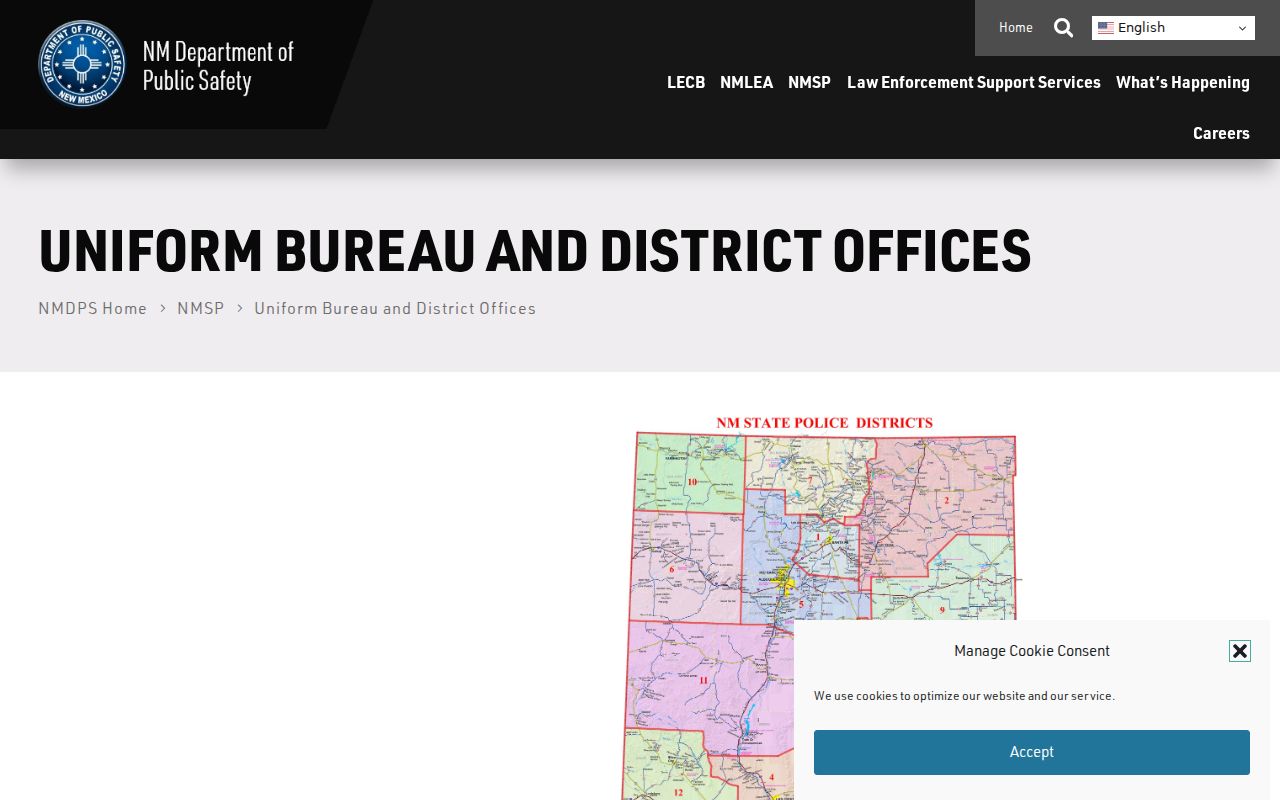
Agency contact and court authority are different parts of the service process.
Arrest Warrant vs Summons vs Bench Warrant
Not every Rio Arriba County case starts with an arrest. Some begin with a summons, the court's first written notice to appear. Form 9-208 states plainly that missing the stated time and place can lead to an arrest warrant. A bench warrant is different, since it grows out of a court order or an appearance problem. An arrest warrant, though, follows probable cause that someone committed a charged offense.
| Document | Starting fact | Next question |
|---|---|---|
| Summons | Notice to attend court for a named case. | Was service completed and was the date missed? |
| Bench warrant | FTA, subpoena, release, contempt, fines, or probation issue. | What does the issuing court require to reset or resolve it? |
| Arrest warrant | Judge finds probable cause after a sworn showing. | Which court signed it and what bond or appearance path applies? |
What to Do If There Is an Arrest Warrant
Pick up the phone before you walk in. Call the issuing Rio Arriba County court, or better, a lawyer. Ask for the case number, the charge, the current status, the bond route, and whether the judge allows a planned surrender, an attorney appearance, or some other motion. Be careful here. The detention FAQ warns that certain crimes carry no bond until first appearance, so never assume you can simply pay your way out.
Act carefully: The sheriff, MVD, and detention center cannot all recall the same warrant. Start with the issuing court and preserve the court's answer.
Bond covers custody and release only, and the charge itself stands. Once you have acted, ask the Rio Arriba County court what date remains and whether service, release, cancellation, or system removal was recorded.
The Detention Center's 24/7 Custody Channel
The Rio Arriba County Detention Center handles custody and bond, not warrant searches. Bond is set by the court, per the county FAQ. You can post it at the courthouse during business hours. After hours, a sheriff department takes it. A bondsman the county approves may also be involved, and surety bonds need a judge's approval. Call 575-588-7350 when someone is already in custody or when bond logistics are the question. For an unserved warrant, the issuing court or your lawyer is the better first call. One more caution matters here. The First Judicial District's scam warning says courts do not call people about warrants, and they never use bonding companies to give notice, so treat any unsolicited demand for money as a red flag.